Lead with energy, not exhaustion.
Healthy motivation, built to last. The most common way to get more out of a team — pressure, urgency, fear of falling short — works, right up until it quietly stops.
Not all motivation is the same.
A team can hit its numbers because it's inspired, or because it's afraid. From the outside, for a while, the two look identical. They are not. Motivation built on pressure borrows energy from the future and sends the bill later — in turnover, cynicism, and the slow erosion of the people you most need. Healthy motivation does the opposite: it compounds.
Three needs behind every motivated team.
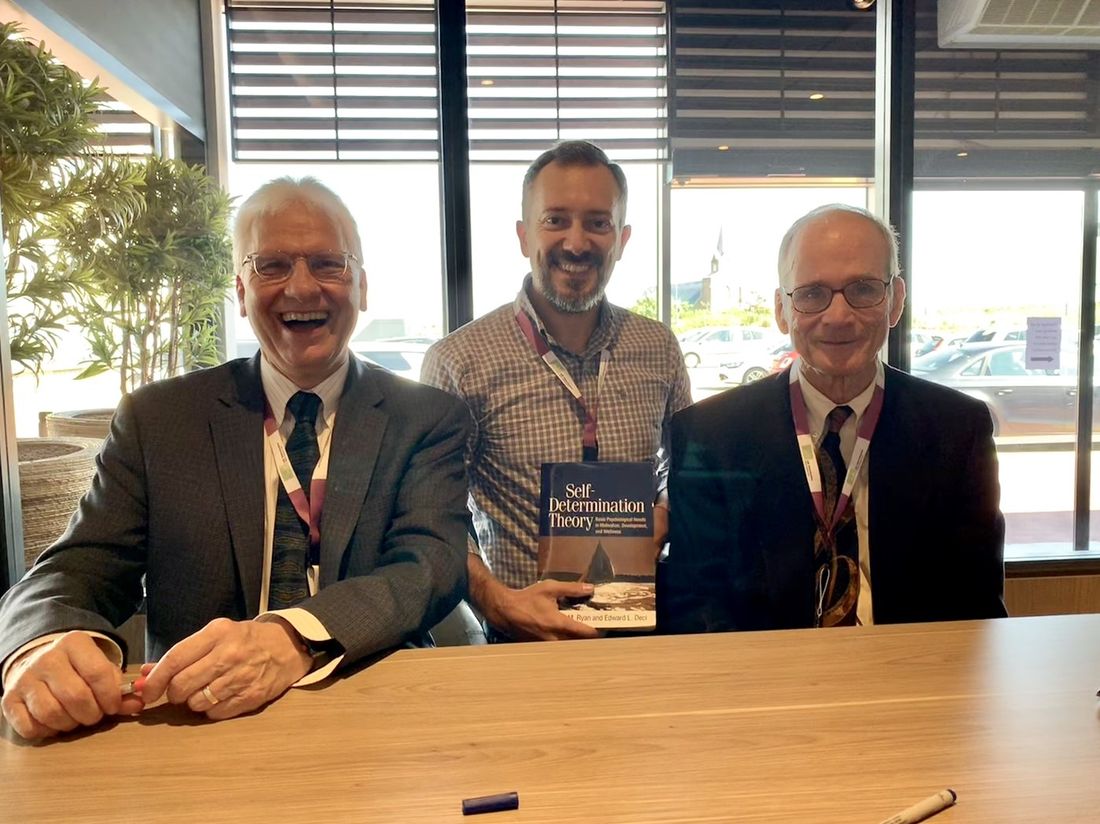
My work draws on Self-Determination Theory — among the most rigorously tested frameworks in the science of human motivation — and on the Optimal Motivation approach I've practised for over a decade. Both point to the same three needs.
A sense of choice
People give their best when they feel the work is theirs — not when it's done to them. Control motivates compliance; autonomy motivates commitment.
A sense of belonging
Knowing you matter to the people around you, and that the work connects to something larger than the next deadline.
A sense of progress
The feeling of growing and getting better at something that matters. Stretch without support breaks people; the right challenge builds them.
Performance that doesn't cost you your people.
When a leadership team learns to build motivation this way, the change shows up where it counts: better decisions, lower burnout, and energy that holds through the third quarter and the fifth year.
The Pink Elephant Papers
My newsletter on motivation science, leadership, and the things teams avoid naming. Practical, evidence-led, no filler.